
Sailing Aotearoa: The land of the Long White Cloud
Some places feel familiar straight away. New Zealand doesn’t — in the best possible way. It’s wild, varied, and constantly shifting, where no two anchorages feel quite the same.
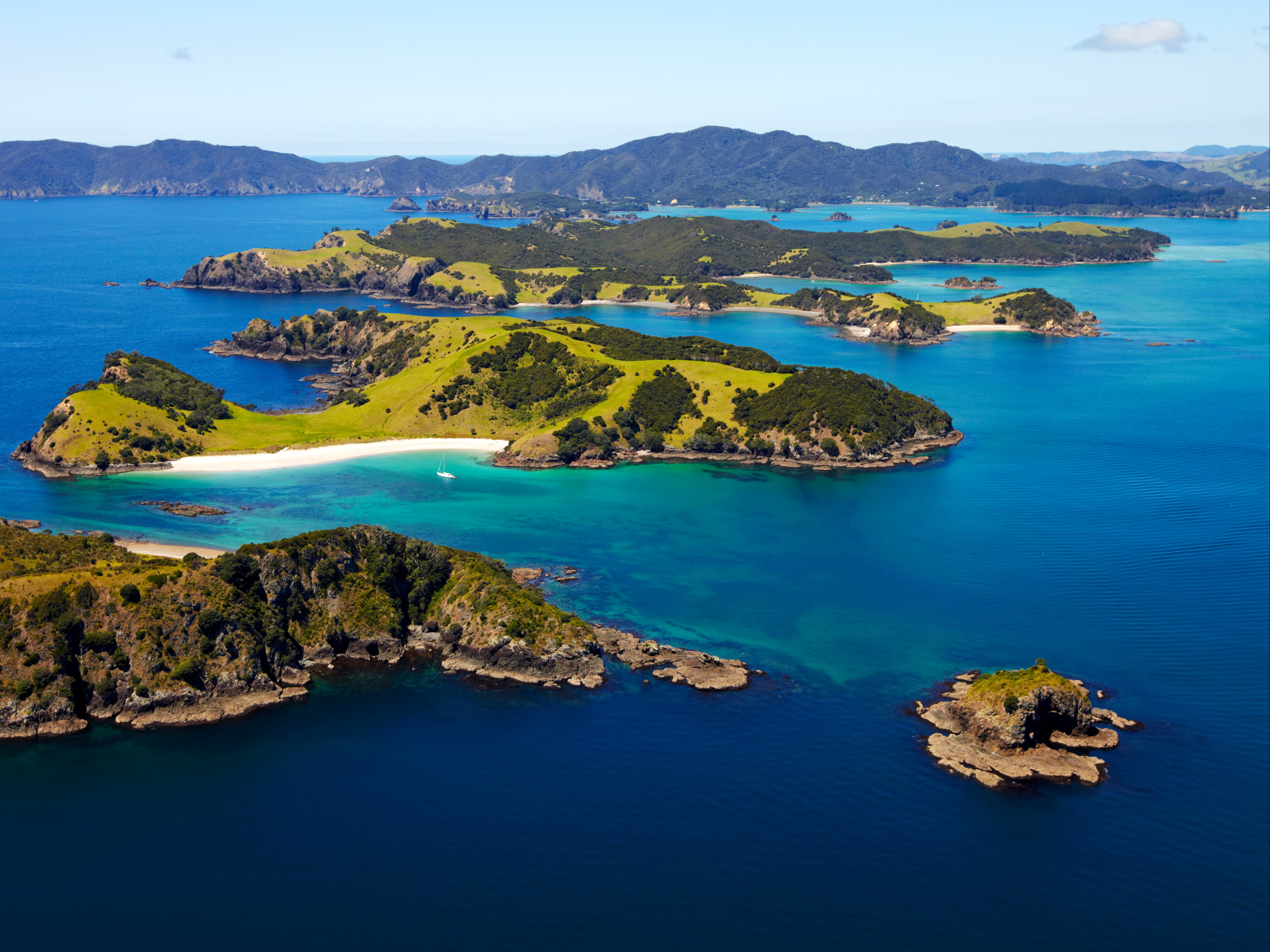
This journey took us from the city edge of Auckland, out into the Hauraki Gulf, and north to the Bay of Islands — twelve days of changing coastlines, long sails, remote islands, and moments that quietly catch you off guard.
Haere mai ki Aotearoa — welcome to the Land of the Long White Cloud.
Day 1: Auckland
We arrived into Auckland on a cool, grey summer morning — not quite the postcard welcome, with rain sweeping across the marina and wind building through the harbour.
Bundalong was moored at Silo Marina, right in the middle of New Zealand’s sailing scene, but it was clear early on that this wouldn’t be a departure day. Instead, we leaned into it.
We spent the day exploring the city — waterfront walks, window shopping, and getting a feel for Auckland before heading offshore. Snacks at Oyster Bar set the tone, and by evening we regrouped for dinner at Origine. Not the start we planned, but it turned out the perfect introduction to New Zealand.
Day 2: Waiheke Island
The weather hadn’t quite settled, so we swapped sails for a ferry and made our way across to Waiheke Island.
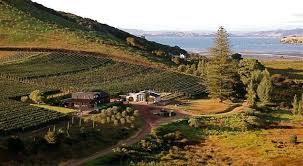
Even in mixed conditions, Waiheke delivers. Rolling vineyards, coastal views, and that laid-back feel that makes you forget how close you are to the city. We spent the day moving between wineries, stopping in at galleries and small shops along the way, before settling in for a long, relaxed lunch at Poderi Crisci.
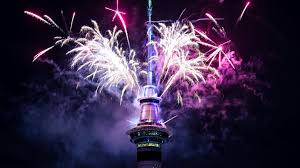
By the time we returned to Bundalong, the mood had shifted — the trip properly underway. That night, we welcomed in the New Year onboard, watching fireworks light up the Sky Tower and the harbour beyond.
Day 3: Great Barrier Island
We set off early, heading north to Great Barrier Island — about 45 nautical miles and a noticeable step away from everything.
You feel the difference as you arrive. Less polished, more remote, and shaped by its history. Great Barrier has always done things its own way, and that still comes through.
We pulled into Port Fitzroy mid-afternoon, a calm, sheltered anchorage surrounded by steep, forested hills. After a quick trip ashore, the evening slowed right down — a quiet sunset, a tender ride, all with the sense of being properly away from it all.
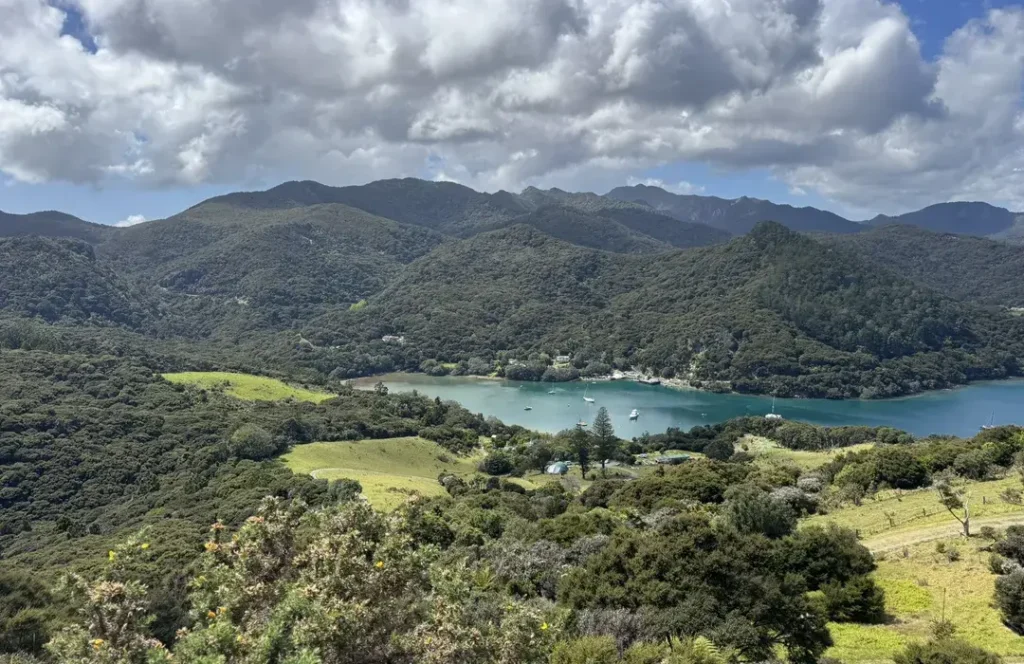
Day 4: Sanctuaries – heaven and earth
We spent the morning at Glenfern Sanctuary, where conservation efforts are bringing native birdlife back and our first proper taste of New Zealand bush.
The afternoon was a mix of dodging rain showers and enjoying the sun. Some of us took a relaxed tender cruise through the inlets around Port Fitzroy, while others opted for a steeper climb into the hills, catching glimpses of wide views between the clouds.
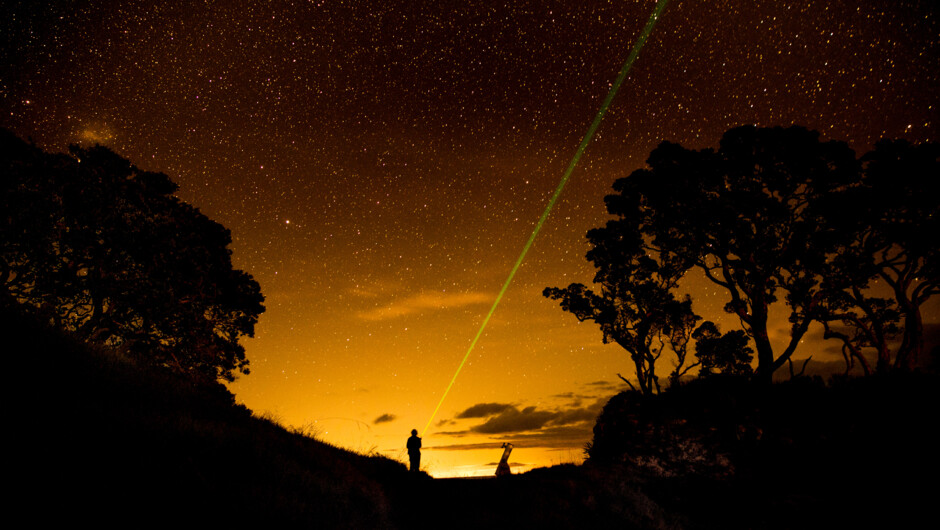
That evening, waterproofs on, we headed ashore to meet our guide from Good Heavens for a stargazing session. As an International Dark Sky Sanctuary, Great Barrier Island is famous for its night skies — though the weather had other ideas. We caught glimpses of stars and the moon between the clouds, and with hot chocolate in hand, it was still a memorable way to end the day.
Day 5: Mokohinau Islands
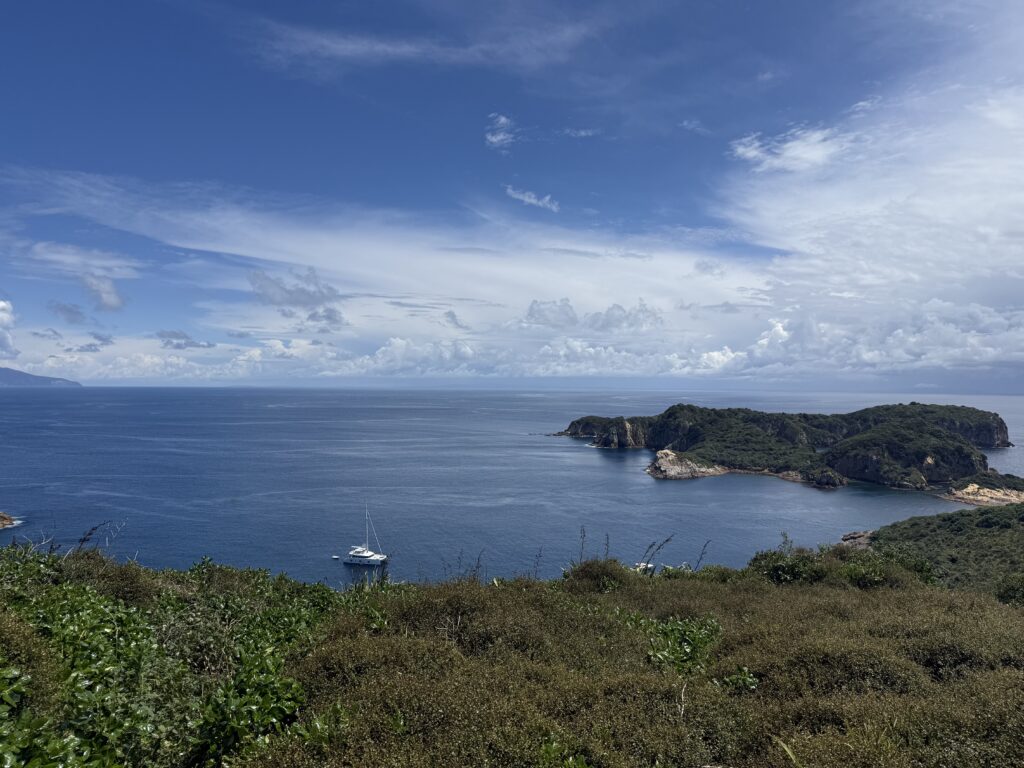
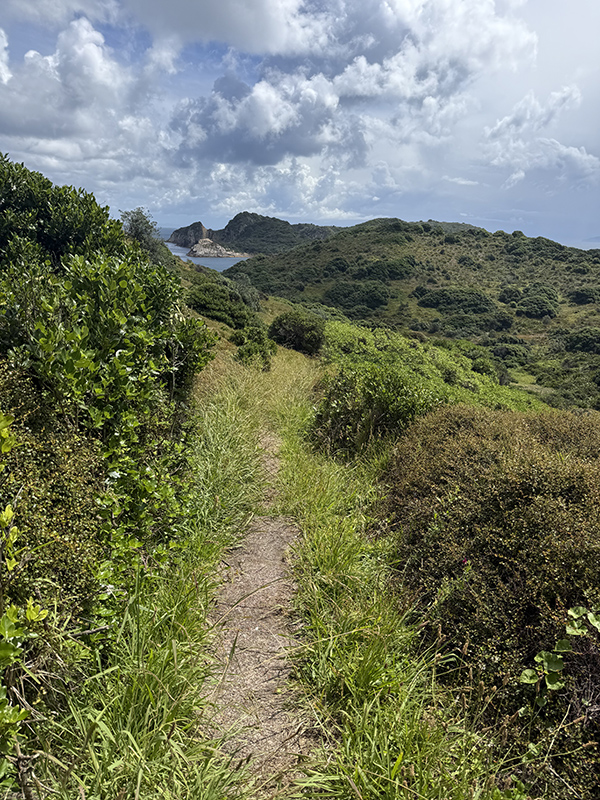
We left Great Barrier behind and made our way to the Mokohinau Islands — exposed, rugged, and a little wilder than anywhere we’d been so far. The islands feel remote in a different way: steep cliffs, open ocean, and very little in between. Conditions were perfect, and we anchored at Burgess Island before heading ashore for a walk up to the historic Burgess Lighthouse, built in 1883 to guide ships safely through these waters.
As we tramped through the island, the reserve was alive with native birdsong. Tuis, red-crowned kākāriki, and bellbirds flitted through the bush, while petrels and shearwaters glided over the calm, turquoise sea below.
Back onboard with sundowners in hand, we watched our first proper sunset — and it didn’t disappoint. The sea caught fire as the sun dipped through golden skies, and in our calm, anchored corner of New Zealand, everything seemed to glow.
Day 6: Poor Knights Islands
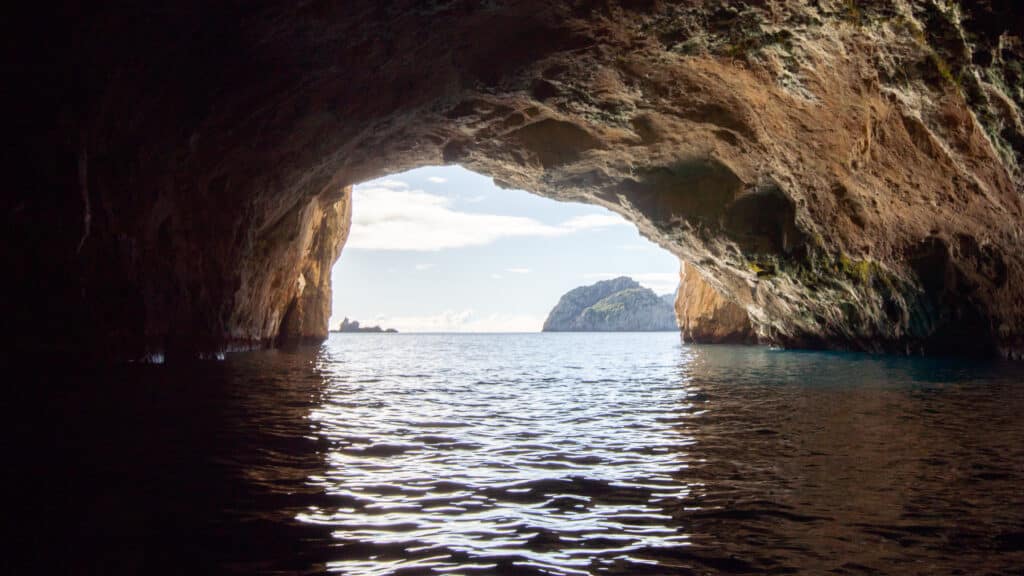
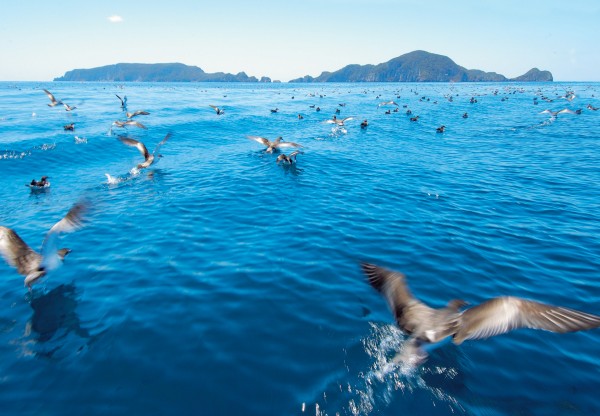
An early start took us toward the Poor Knights Islands, renowned for their protected marine life and dramatic volcanic formations. The islands are riddled with caves and arches, including the vast Rikoriko Cave—considered the world’s largest sea cave by volume—and are the world’s only breeding ground for the Buller’s shearwater, with a population of around 2.5 million birds.
Despite the sunshine, the swell made anchoring tricky, so we diverted to Matapouri Bay, which proved a lucky change of plan. That evening, we discovered Schnappa Rock Restaurant, where fresh seafood and local flavours paired well with Kiwi wines and the simple pleasure of being back on dry land!
Day 7: We head north!
In the morning, the divers were picked up from Bundalong by Dive Now Whangarei and taken out to the Poor Knights, while the rest of the group stayed onboard, enjoying a leisurely morning and a stroll along the long, golden beach.
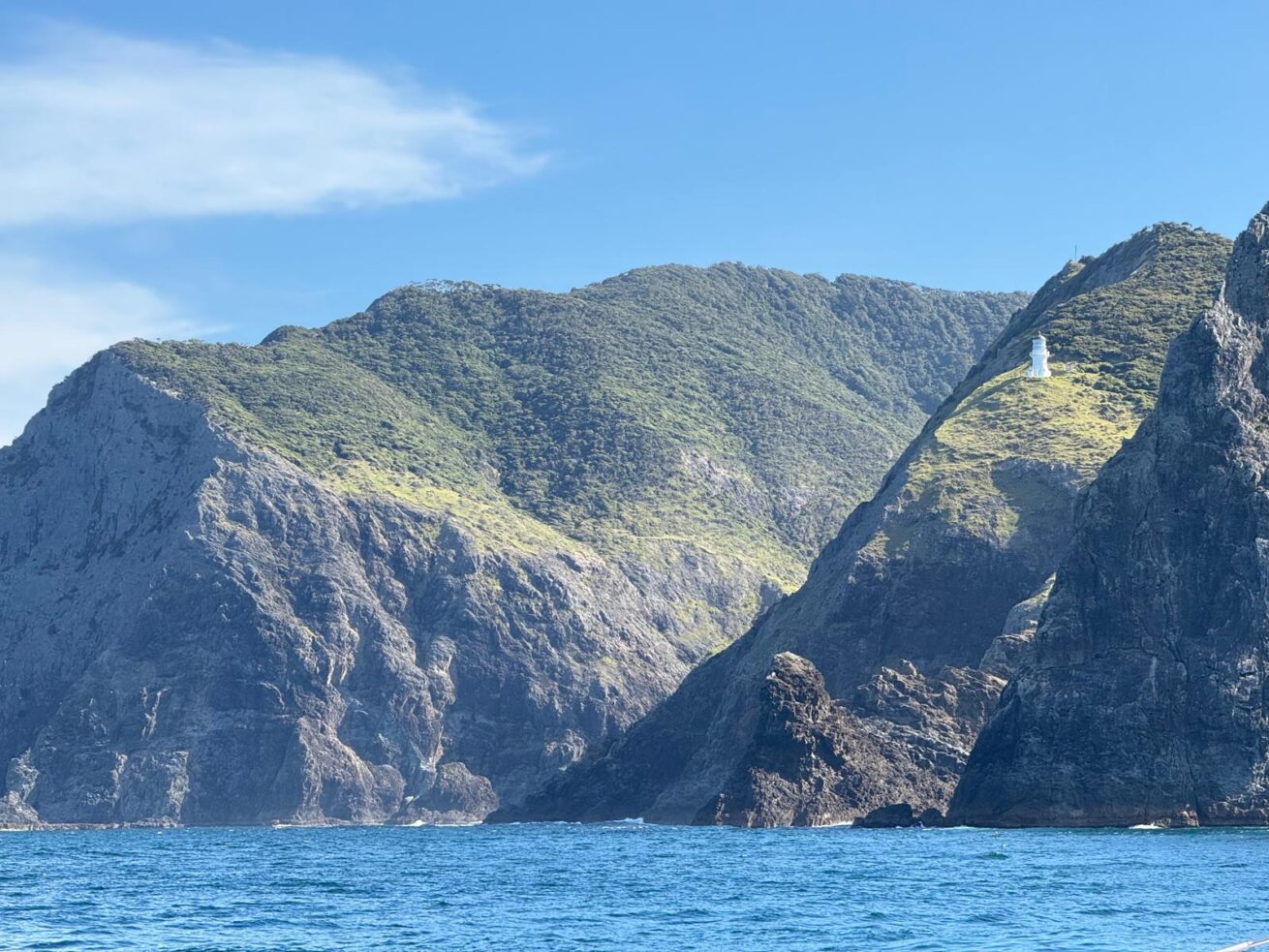
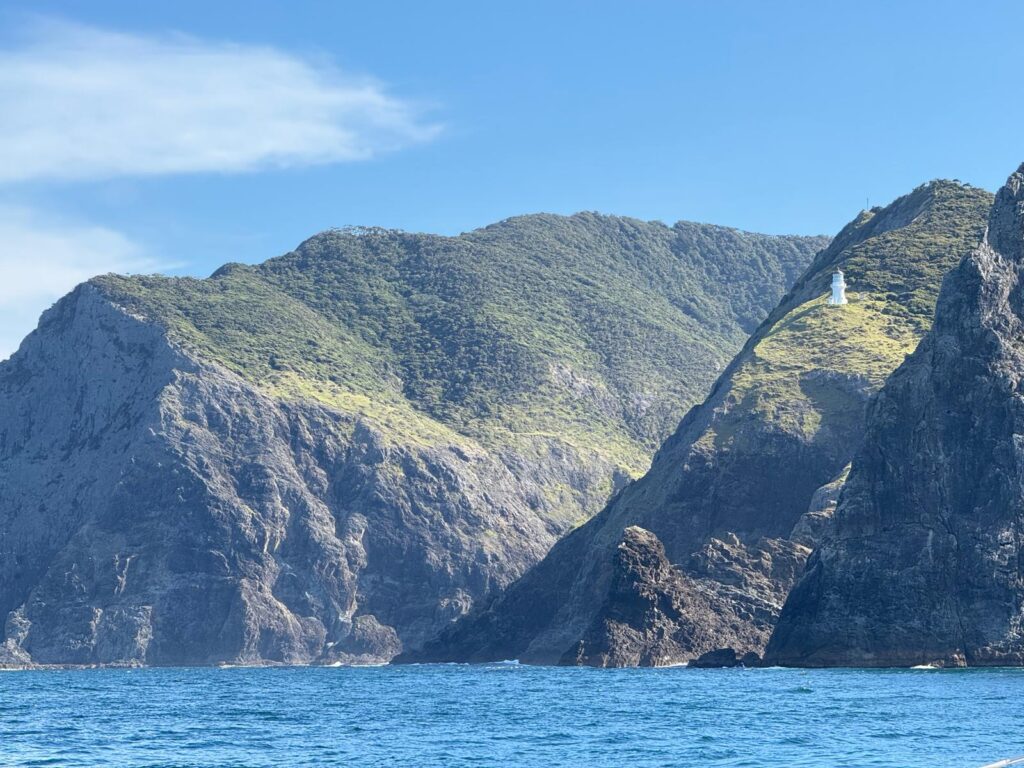
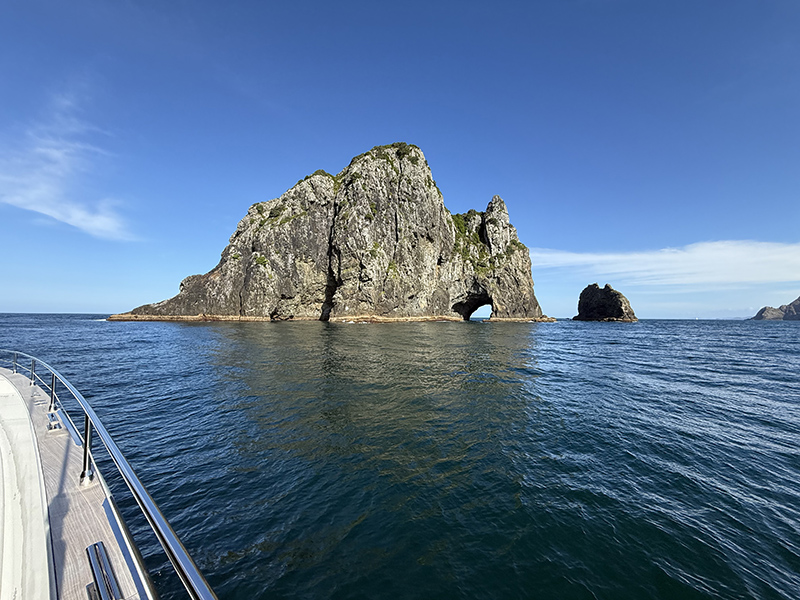
In the afternoon, we set sail for the Bay of Islands. Rounding the towering cliffs of Cape Brett, we entered the Bay – a dramatic entrance indeed! Atop the cliffs, the historic Cape Brett Lighthouse stood sentinel, guiding us, like many sailors before us safely through these waters. Off to the side, the famous Hole in the Rock on Piercy Island framed the deep blue waters.
We dropped anchor in Deep Water Cove just in time to watch the sun dip below the horizon, painting the sky and water with golds and pinks — a perfect welcome to the Bay of Islands.
Day 8: Bay of Islands
After the previous few days of sailing and exploration, we took it easy today, heading down to Oke Bay for a relaxing break. The calm, sheltered waters and golden sand made it the perfect spot to unwind.
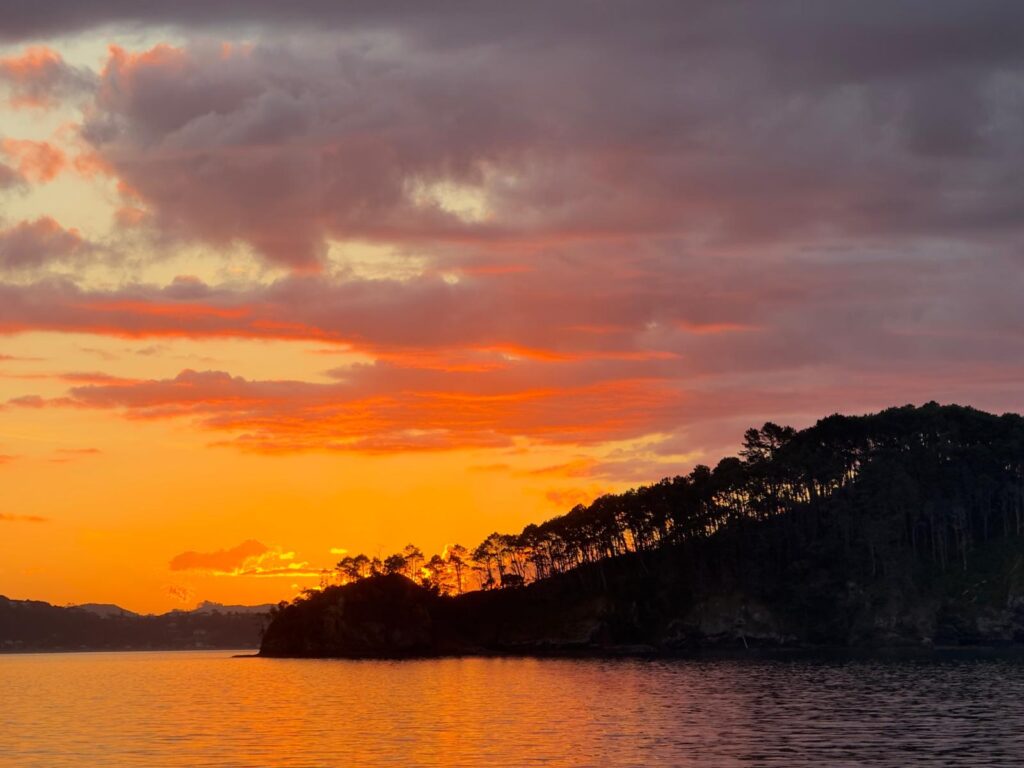
The morning was spent soaking up the sun and enjoying the scenery, with gentle waves lapping the shore and seabirds gliding overhead. In the afternoon, we let loose a little, playing beach games and enjoying the simple pleasures of sand, sea, and sunshine (and a few Pina Coladas!). The long summer evening stretched on, and we wrapped up the day watching the light fade over the bay, giving us another glorious sunset.
Day 9: Moturua Island
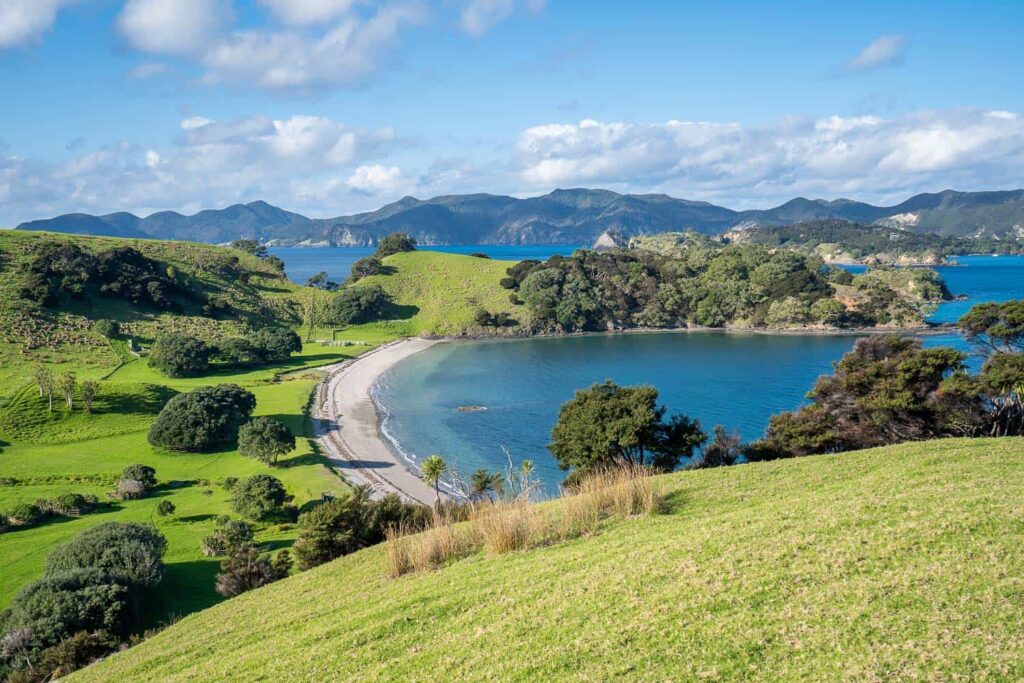
Early morning saw us relocate to Moturua Island, a peaceful spot in the Bay of Islands known for its lush bush and thriving birdlife. Ashore, a guide from Project Island Song led us on a three-hour hike, sharing how pest-free efforts have allowed native plants and birds to flourish.
Through regenerating forest, we were greeted by birdsong, however the birds themselves were quite elusive. But the landscape made up for the lack of feathered companions and sparkling bays and hidden beaches unfolded around every bend.
Back on Bundalong, the afternoon was spent relaxing in the sheltered waters, soaking up the serenity of this remarkable part of New Zealand.
Day 10: Deep Water Cove
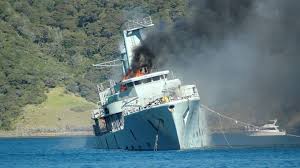
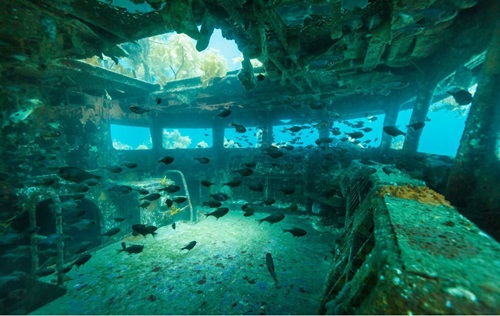
It was another early start for our intrepid divers, who joined Paihia Divers to explore the HMNZS Canterbury wreck. Scuttled deliberately for recreational diving in 2007, the Canterbury rests upright on the seafloor; divers hit the bow at about 20m and swim through the bridge to the helicopter hanger at 27m. The frigate makes for an impressive dive and was a major highlight of the trip so far.
Meanwhile, the rest of the group kept things slower, exploring Motorua Island again. By now, everyone had settled comfortably into the rhythm of the trip, balancing adventure with downtime.
In the afternoon, we made our way to Sage Restaurant at Paroa Bay Winery. Nestled above the vineyard with views over the Bay of Islands, it was the perfect spot to unwind. We enjoyed sampling some of the winery’s own wines and savouring local seafood to round off the day.
Day 11: The Landing
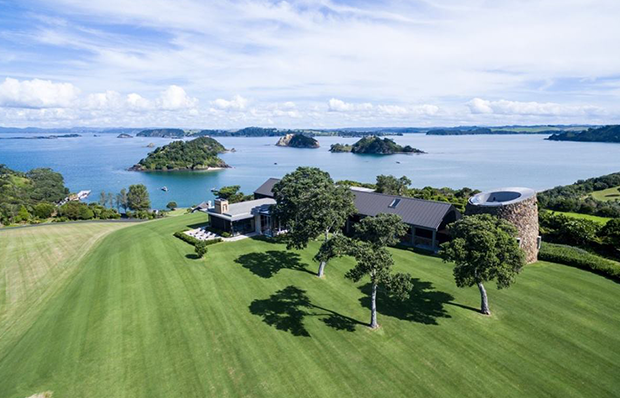
We started the day with a short sail to The Landing, a boutique winery and restaurant set among the rolling hills and sheltered bays of the eastern Bay of Islands. The estate is simply exquisite — charming as it is picturesque — and we spent the morning on a guided tour of the vineyard, learning about the native plants and sustainable practices that shape their wines.
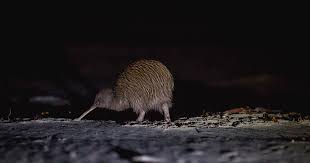
Lunch was the best we’ve had yet – five courses of pure delight. Later, under a star-lit sky we headed back to the estate, to spot some local kiwis (birds, not people!). These elusive, nocturnal birds are endangered, and we were fortunate enough to see nine of these incredible creatures — a truly memorable, bucket-list moment.
Day 12: Russell
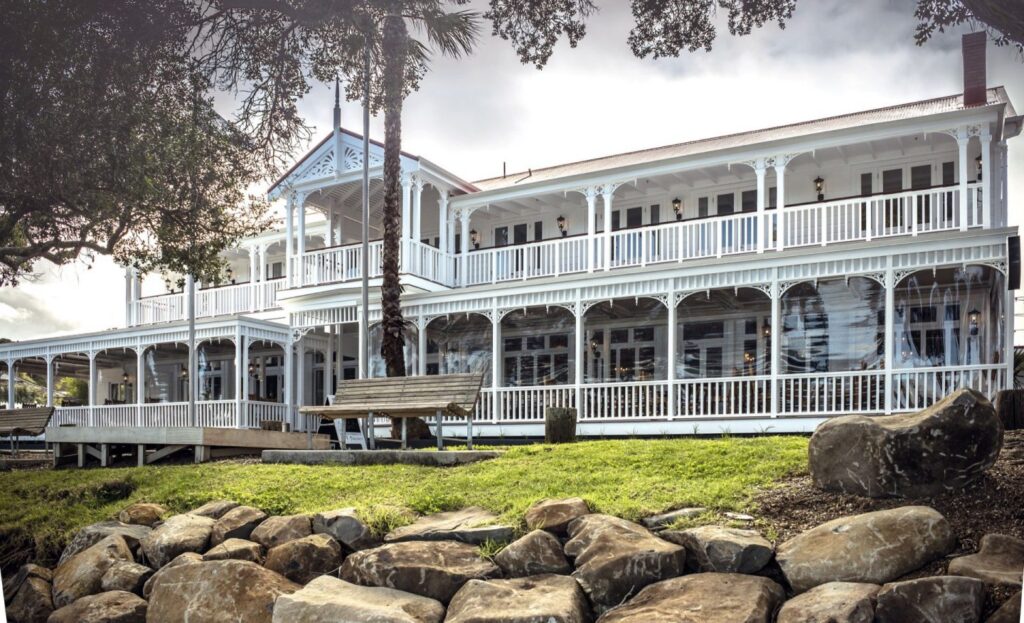
We sailed down to Russell, New Zealand’s first permanent European settlement and a town steeped in history. Once known as the “Hellhole of the Pacific” for its rowdy whalers, today it’s a charming village of heritage buildings, boutique shops, and waterfront cafés. We took a leisurely stroll through the town, stopping to climb up to the flagpole for sweeping views over the bay and the surrounding islands — a perfect vantage point to appreciate both the scenery and the town’s storied past.
After exploring, we came together for a meal at the historic Duke of Marlborough Hotel, a landmark dating back to the early 19th century. Over good food and conversation, we soaked up the spirit of Russell and reflected on our time together exploring the north of New Zealand.
Day 13: Kerikeri
One last brunch together and we were headed to Kerikeri Airport. Twelve days, a lot of miles covered, and a proper look at this part of New Zealand — from city edges to remote islands, and everything in between.
Haere rā, Aotearoa — until next time.