
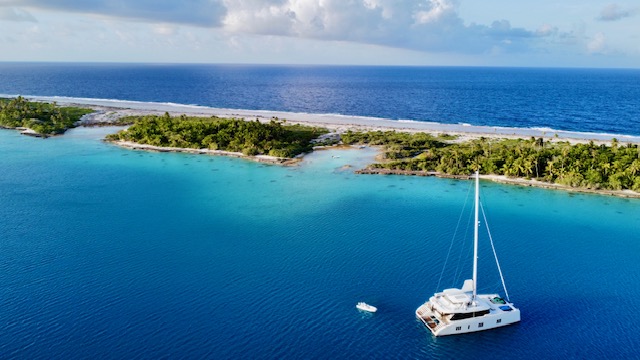
Atolls of the Tuamotus
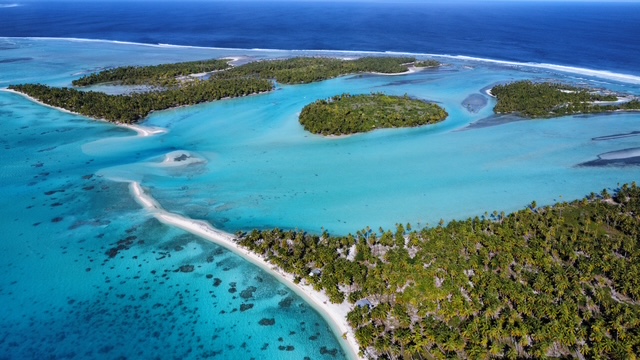
The Tuamotu Archipelago, part of French Polynesia, is a vast chain of around 77 low-lying coral atolls scattered across the South Pacific, stretching over 1,500 kilometers. Formed from ancient volcanic islands that subsided, leaving only fringing reefs and lagoons, the Tuamotus are renowned for their pristine waters, rich marine biodiversity, and pearl farming. Historically, they were settled by Polynesians over a thousand years ago, with communities developing expert navigation skills and sustaining themselves through fishing and coconut cultivation. European contact began in the early 17th century, leading to missionary influence, trade, and eventual integration into French Polynesia. Today, the Tuamotus remain sparsely populated, with roughly 16,000 residents living mostly in small villages on larger atolls such as Rangiroa, Fakarava, and Hao. The geography’s remoteness shapes daily life, with inter-island transport relying on boats and small aircraft, and the economy centered on copra production, tourism, and black pearl cultivation.
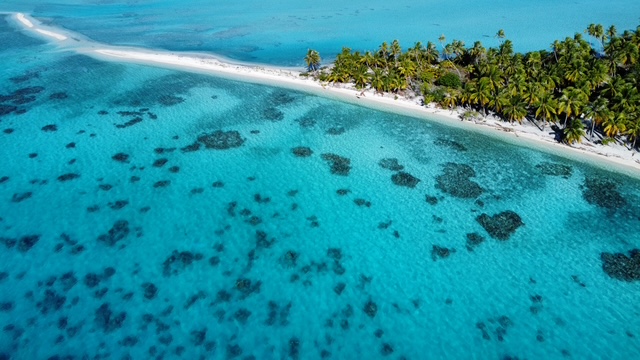
Setting off from the Marquesas Bundalong sailed 500 miles over 3 days towards the low lying Atoll of Fakarava. Our first signs of land were the sea birds diving on schools of bait fish brought to the surface by feeding pelagic tuna as the ocean contours rise steeply to meet the fringing reefs. The atolls are variations in size and shape, only few are accessible by boat through often only a single deep-water channel. With the atolls lying only a few meters above sea level, they appear as a line of palm trees on an impenetrable strip of white coral sand.
As we approach the pass entrance becomes clear, and our channel is in sight. Currents run fast in these channels feeding draining the large lagoons with with fresh ocean water with the tides. Our timing perfect for entry Bundalong sailed on through into the turquoise waters of the Fakarava lagoon. Once inside we headed 5 miles to the village of Rotoava in the North. Community is small and the village people welcome traveling yachts arriving for resupply and exploration of this island paradise.
Our first few days in Fakarava we spent sailing down through the Atoll visiting some the anchorages and beaches in preparation for our guest trip. Our main goal was to scope out the south pass of Fakarava known especially for its abundance of marine life and unique diving as well as its UNESCO world biosphere status. It didn’t disappoint! The endless reef with its magnificent bright colors are inhabited by hundreds of reef sharks, and a stunning variation of fish, a truly breath taking experience.
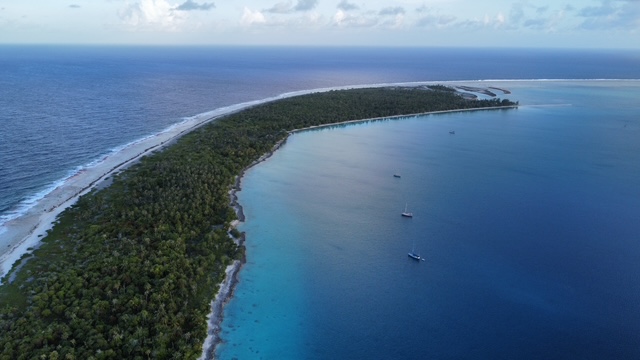
Day 1 of the guest trip.
We picked up our guests in the Rotoava anchorage and enjoyed the first afternoon settling in on board. Guests took the opportunity wander ashore around the small village and have a sunset cocktail at a local beach bar before retiring to Bundalong for the evening.
Day 2
Set sail through the 40 miles of channel towards the south pass. To break up the trip Bundalong anchored at Hirifa beach tucked up out of the trade winds towards the south eastern corner of the atoll. We found a stunning clear water anchorage perfect for water toys, paddleboards and Seabobs. The shoreline made up of palm trees and corse coral sand with reef outcrops for exploring.
Guests met with a local land owner who also runs a bar for visiting sailors who explained of the close family ownership of much of the atolls land and various copra plantations.
Day 3
South pass!
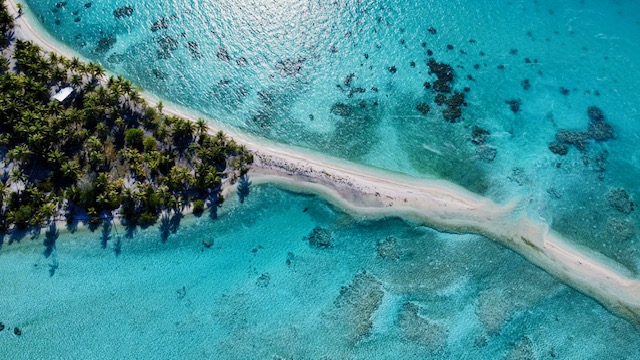
Day 3 was dive day. 2 dives booked and everyone eager to go. Our dive company arrived early and greeted us with smiles and big energy. It was clear from their knowledge of the reefs and area that we were in the best hands and we set to make the most of the diving and water time. Dives here are done on the incoming tide where the ocean floods the lagoon through the relatively narrow channel creating an intense current full of marine life. Drifting in at 3 or 4 knots divers must pay attention to their surroundings and proximity to the fragile reef. This was an experience to remember for a lifetime. For those not diving a gently walk around the tiny village of Tetamanu was very enjoyable stumbling across a local boutique store for souvenirs.
Day 4
2 more dives of the South pass. There are many variations of this pass to be enjoyed with both sides of the channel equally fascinating. Deep rock ledges big enough for 4 divers to hide under to observe the curious reef sharks effortlessly stationary in the current flow.
The afternoon was spent on what can only be described as a paradise beach. We took shades, beach games and a cooler and enjoyed our very own slice of this remote atoll.
Day 5
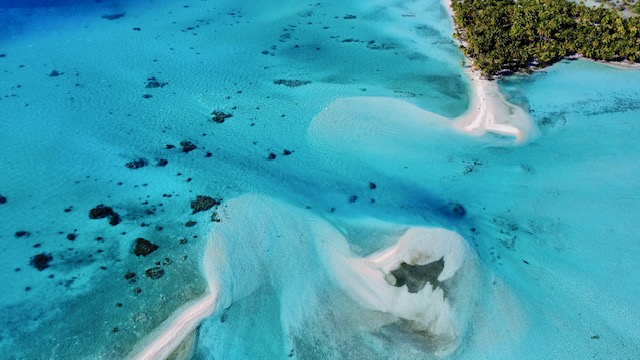
We begin heading north back up through the Atoll towards the north pass. Taking a more direct route towards the north pass we had everyone on lookout. The charts in this area are basic at best and a sharp lookout was needed to avoid the many coral heads on this journey. After 4 hrs of sailing we anchored down close to the pass. The trade winds make this an unlikely anchorage but with the weather in our favor we were protected in close to the pass and a beautiful beach.
Day 6
Big day of activities. Started with a sunrise early fishing trip with a local fisherman and guide. Sadly not much to eat but a wonderful experience. Departing Fakarava heading for Tuao Atoll was our next mission. With favorable winds we enjoyed a pleasant day cruise to the far western anchorage of Tuao. This is a sparsely populated atoll inhabited only by one family. Gaston and Valerie prepared and almighty spread of everything caught and prepared by their own hands. The warmth and smiles of these wonderful people was truly a highlight. Lobster, coconut fish, rice, bread and cakes were served and we ate until we could eat no more. Hugs and well wishes exchanged we left in admiration of their self sufficient existence and willingness to entertain guests at their home.
Day 8
Returning East to Fakarava we stopped again close to the pass for some diving, this time at the North pass of Fakarava. Much larger than the south pass the north pass offers a completely different underwater topography. Dropping in from the dive boat outside the reef enjoying a slower current in towards the lagoon we drifted effortlessly through canyons and swim through for almost an hour. So many corals hard and soft with the marine life that inhabits them was an experience enjoyed by all.
Day 9
A final day chilling at the beach before moving 5 miles back to Rotoava for departure.
The airstrip only moments in a taxi from the anchorage allowed us to make the most of our time in Fakarava. As guests depart back to Tahiti we reflect our adventures and plan for part 2 of this trip.
Delivery.
Crew navigate Bundalong on a smooth overnight passage to Rangiroa. Arrival to Rangiroa is through 1 of 2 pass entries and we chose the main pass of Tiputa as our entry point on an incoming tide to anchor by the Kia Ora resort. A calm anchorage in E/NE winds we spent 2 days cleaning up and preparing for the second half of our Tuamotus expedition.